


 Ukrainian
 Russian


There are no reviews yet.
Practice on breath and a flexible spine: a dynamic flow, bridge, bakasana, a kneeling backbend and a one-leg balance
A 75-minute practice at an even, calm pace with detailed explanations: it starts with settling into the breath and kapalabhati, then a dynamic flow, and then longer holds. It is more about stretching, breath and technique than strength; the main load falls on the spine (bridge, backbends, side bends, twists), the shoulder girdle, the back of the legs and the abs, with strength accents in three push-ups in chaturanga, navasana, an inclined plank and bakasana twice. The teacher teaches slow, smooth breathing (at one point demonstrating audible ujjayi breath), directing the inhale into the centre of the chest and holding the root lock, and suggests easier options: knees on the floor, bent legs, support on the toes. The class was filmed in a studio during a group session.
What to expect in this class:
- Settling in, kapalabhati and flow (~0–17 min): Sitting with the eyes closed: calm breathing and kapalabhati, then standing with the root lock on each exhale. The flow: a fold, a lunge with the knee on the floor, a pose with the hips raised high, a lunge with one hand on the foot and the other arm up, chaturanga with three push-ups (knees on the floor are fine), utkatasana on the toes; several rounds on each side, then a fold with the hands locked, watching the neck
- Prone and supine work, bakasana (~17–28 min): Lifting the torso lying on the belly with the hands at shoulder level and slow breathing (the teacher demonstrates audible ujjayi breath), raising the legs and lowering the feet behind the head held by the hands — look after the neck; bakasana with the elbows over the wrists; standing side bends to the right and left, a fold with the fists on the lower back, a half squat with the arms forward and relaxing on the knees with the torso on the thighs
- Twists, bridge and navasana (~28–42 min): Lying on the back: bent legs lowered to one side with the head turned the other way (the shoulder blade stays on the floor), a bridge with the fists under the pelvis and the inhale directed into the centre of the chest, a twist with one foot resting on the thigh; then navasana with a long hold and a seated fold holding the toes or with the hands behind the back
- Shoulders, plank and the lock behind the back (~42–54 min): The teacher explains how to rotate the shoulders correctly when the hands are locked (many people let them drop), then an inclined plank with the pelvis tucked, bakasana again and standing folds with a wrist lock behind the back on both sides — working the shoulder blades and shoulder girdle without overstretching
- Kneeling backbend and a balance (~54–65 min): Lifting the pelvis and chest in a kneeling backbend (an easier way in if the thighs or lower back hurt), a short prone backbend with the arms and legs raised, then a one-leg balance with the foot on the thigh and the arms up and a fold with the foot on the knee; you can close the eyes and keep the attention inside the pose
- Savasana and exit (~65–75 min): Before savasana, lengthening: the root lock, torso turns from the elbows and a stretch of the neck; a long savasana with full relaxation, a gentle exit through moving the fingers and stretching, and a short sit with the eyes closed
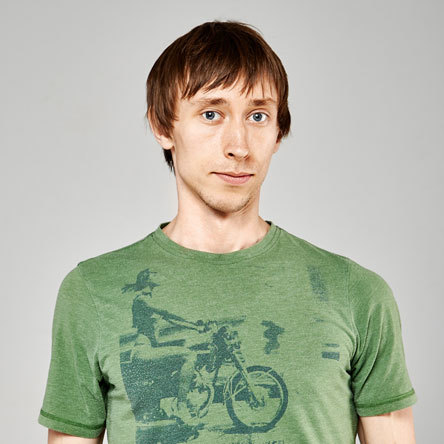
Oleg Lazurenko builds the class from simple to more complex: the body warms up gradually, the main part links asanas into connected blocks, and there is time for relaxation at the end. Choose a range of motion and pace that feel comfortable.


The review has been accepted and will be published after moderation.