
 Ukrainian
 Russian


There are no reviews yet.
Practice with strength elements: chaturanga, the iron bridge, boat pose, vrikshasana, natarajasana and seated folds
A 76-minute practice at a medium pace with a noticeable share of strength work: chaturanga, the “iron bridge”, purnanavasana and the low bakasana, and in the middle of the second half balances on one leg; after the third rest break come calm seated folds. The main load falls on the abs, arms and shoulder girdle, the back of the legs and the lower back, and in the balances on the legs and the sense of balance. The teacher leads with short cues and few explanations; three rest breaks on the back (about 7 minutes each) split the class into parts. Easier options heard: changing the grip to the heels in the big-toe exercise is optional, and the heel may stay lower when the foot is placed on the knee.
What to expect in this class:
- Warm-up and supports (~0–13 min): Standing “cross” with soft circles and figure-of-eight movements of the arms, then folding the forearms and hanging down with a change of arms, bakasana; on the belly lifts, an arm support with the elbows at the belly, chaturanga with several repetitions, holding the shins and twelve free breaths
- Rest and strength work on the floor (~14–31 min): About 7 minutes of rest on the back, then holding the big toes while straightening the legs (changing the grip to the heels is optional), the “iron bridge” with pressure on the shoulder blades, pushing the legs down with the sacrum pressed, purnanavasana with the heels opposite the eyes and the navel, legs up holding the ankles and halasana
- Ashtangasana and hand locks (~31–41 min): The “eight points” position (toes, knees, chest and forehead on the floor), then standing wrist and finger locks with a turn and a change of fingers; after that about 7 minutes of rest on the back
- Backbend and balances (~41–51 min): On the belly lifting the trunk with the lower belly on the floor and the shoulders down, a twist with the thighs horizontal, the low bakasana with vertical forearms, vrikshasana with a side stretch, natarajasana, the leg forward horizontally, the heel on the knee and a fold with the chest to the shin (the heel may stay lower); then the other side
- Rest and seated folds (~51–72 min): About 7 minutes of rest, then seated with the foot on the thigh and a fold, a side bend toward the knee, the leg behind the back, kurmasana, the heel under the knee with a side bend and the elbow to the floor, changing legs, a fold over the extended leg and a lift into the “table”
- Finish (~72–76 min): A short rest and twelve breaths sitting
Technique in this class: the class opens with the “Zero Crest” combination — two short etheric gymnastics techniques in a row, “Zero” and “KREST”: standing, with smooth arm movements at a slow, relaxed pace in rhythm with the breath. A detailed explanation of the technique and its common mistakes is in the catalog video course by Andrei Siderski: Techniques Zero, KREST, Ying style Yang Qigong (theory + practice).
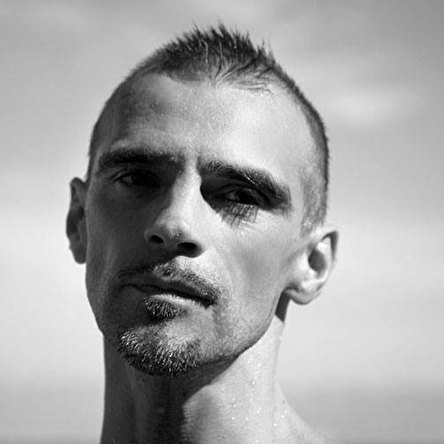
Andrii Medvedev builds the class around smooth transitions from one asana to the next and a breathing rhythm: movements are linked to the inhale and exhale. Choose a range of motion and pace that feel comfortable.


The review has been accepted and will be published after moderation.