
 Ukrainian
 Russian


There are no reviews yet.
Arm-support practice: mayurasana, bridge and backbends, boat pose and twists between rest pauses
A 76-minute practice at a medium pace: a mix of strength work on the arms, backbends and stretching on the floor and sitting, with two rest pauses without speech splitting the class into blocks. The main load falls on the wrists, arms and shoulders (low plank, bakasana, mayurasana), the abs and hip extensors in the boat and the bridge, and the spine and neck in the backbends. The teacher hardly explains and leads with short cues counted on the breath; the breathing warm-up at the start includes kapalabhati and folds with bandhas. The hardest elements are the bridge on the palms and the backbend holding the toes; the teacher stresses the neck: do not stretch or tense it and keep the shoulder blades squeezed.
What to expect in this class:
- Breathing warm-up (~0–9 min): Kapalabhati (50), folds with mula, jalandhara and uddiyana bandha in three rounds, then the standing “cross” and dynamic arm circles and swings
- Fold and arm support (~9–21 min): A forward fold with the hands behind the back, a crouch with the palms in front (bakasana), lying on the belly, then a low plank and mayurasana; in the crouch on the toes the sides of the thighs are squeezed and the centre stays engaged
- Breathing and a rest pause (~21–31 min): Twelve free breaths, alternate-nostril breathing, breathing up and down along the spine, sitali and kechari mudra; then about 4 minutes of rest on the back
- On the back and sitting: bridge and boat (~31–47 min): Holding the big toes, elbows to the shins, an “iron bridge” with straight legs, purnanavasana (boat), lifting the hips with the palms turned outward (do not stretch the neck), a backbend holding the toes and three hand locks behind the back; then a rest pause of about 5 minutes
- Bridge, twists and agnistambhasana (~52–76 min): The hands clasped away from the body and the heels pulled toward the sacrum, a bridge on the palms by the neck (the hardest element, so go by how you feel), several blocks of seated twists with a leg behind and a hand on the floor, agnistambhasana, then twelve breaths
Technique in this class: around minute 4 you do the “Zero Crest” combination — two short etheric gymnastics techniques in a row, “Zero” and “KREST”: standing, with smooth arm movements at a slow, relaxed pace in rhythm with the breath. A detailed explanation of the technique and its common mistakes is in the catalog video course by Andrei Siderski: Techniques Zero, KREST, Ying style Yang Qigong (theory + practice).
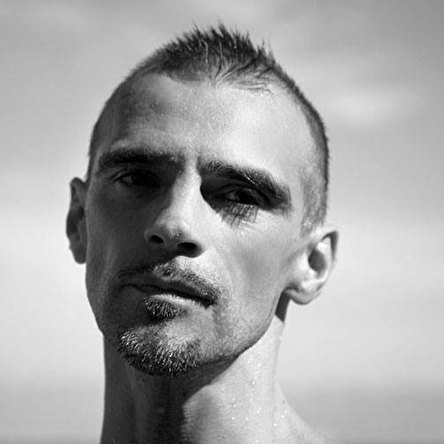
Andrii Medvedev builds the class around smooth transitions from one asana to the next and a breathing rhythm: movements are linked to the inhale and exhale. Choose a range of motion and pace that feel comfortable.


The review has been accepted and will be published after moderation.