


 Ukrainian
 Russian
There are no reviews yet.
Morning, holds and back: kapalabhati, chaturanga, plough, floor backbends No.22


Buy subscription from 19 AUD
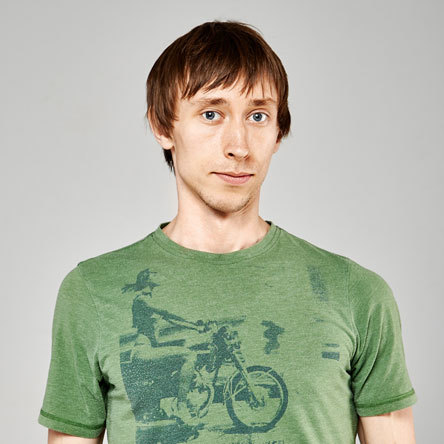
Morning practice focused on breathing, static holds and the back: kapalabhati, chaturanga, plough and prone backbends
A 84-minute morning practice at a calm pace: a lot of breathing work and static holds, with strength and stretching in roughly equal parts. The main load falls on the abs and back muscles (kapalabhati, boat pose, lifting the torso and legs while lying on the belly), the shoulders and arms (the chaturanga hold), the back of the legs and the hip joints (folds and a deep squat); in the plough the neck and upper back are lengthened. The teacher explains the technique at length, including foot placement, tucking the pelvis and using the root lock, and offers easier options (bend the knees in the fold, chaturanga from the knees, lower the hips in the plough if the neck pulls). The class opens with eye exercises and 500 kapalabhati breaths and ends with whistling breath, a long savasana and a minute of watching the breath in a seated position.
What to expect in this class:
- Eyes and kapalabhati (~0–13 min): Eye exercises: up–down, left–right and circular movements in both directions, 18 repetitions each with a gradually faster pace; then kapalabhati up to 500 breaths in one set or several, depending on how you feel, with the gaze on the tip of the nose
- Seated folds and the iron bridge (~13–22 min): An explanation of belly breathing with the root lock and a soft sound on the exhale; a forward fold over straight legs with correct foot placement (bend the knees if the back rounds), the iron bridge pressing on the fists, a fold with the knees together and the arms reaching forward, rising onto the toes, a fold with the hands behind the feet
- Boat pose and chaturanga (~22–27 min): Boat pose with the lower back pressed into the floor, then the arms raised for a long hold until the deep muscles burn, and a static chaturanga dandasana: from the knees or with straight legs, and if the shoulders tire, straighten the arms first and then bend them again
- Prone backbends and plough (~27–35 min): Series of lifting the torso and legs while lying on the belly, including rolling onto one side, working the lower back; then halasana (plough) with a stretch through the neck and upper back and shambhavi mudra, lowering the hips if the neck pulls
- Seated work and dhanurasana (~35–46 min): Sitting with the feet drawn toward the pelvis: straight spine, chest forward, attention on the tip of the nose; dhanurasana on the belly holding the ankles from the inside and narrowing the knees; a standing forward fold with bent knees and weight on the heels; then a deep squat with the arms between the legs and a rise onto the toes
- Lying, standing and finish (~46–82 min): Lengthening on the back and watching the attention; a standing fold with one leg raised behind and a lunge with raised arms on both sides, downward dog and rest on the heels; a standing fold, whistling breath with breath holds, about 6 minutes of savasana and a minute seated with the gaze at the brow centre
Oleg Lazurenko builds the class from simple to more complex: the body warms up gradually, the main part links asanas into connected blocks, and there is time for relaxation at the end. Choose a range of motion and pace that feel comfortable.


The review has been accepted and will be published after moderation.