

 Ukrainian
 Russian


There are no reviews yet.
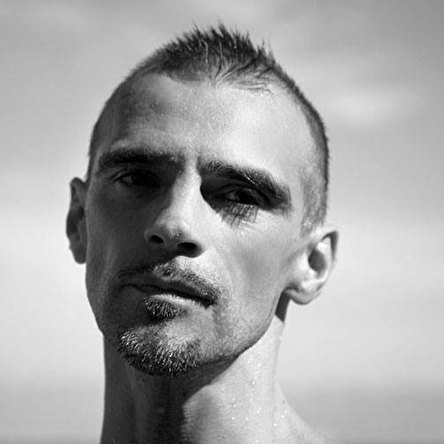
Daytime practice: a flowing standing warm-up, breathing with locks, two rounds with rest and a bridge at the end
A 80-minute daytime practice at a calm, even pace: it opens with a gentle standing warm-up of flowing circular arm movements, followed by breathwork, and the main part is stretching and spinal flexibility with a few strength and balance elements (bakasana, arm supports). The main load falls on the back and lower back, the shoulder girdle, the hip joints and the back of the legs; the abs and arms work in the downward “hill” and in bakasana. The teacher leads with short “inhale – exhale” cues and leaves a few minutes of silence for resting on the back between the rounds. The most demanding element is the bridge with the palms by the neck at the end; in the fold over an extended leg an easier option is given: those who feel confident can raise the other foot into half lotus, everyone else can leave that leg bent to the side (janu sirsasana).
What to expect in this class:
- Standing warm-up (~0–7 min): Flowing circular arm movements out to the sides, folds with uddiyana at the bottom, light squats on the toes, then seated with closed eyes and calm breathing
- Breathing warm-up (~8–13 min): Three rounds of kapalabhati with 50 cycles each; after each one an exhale with a hold and the root, throat and uddiyana locks
- First round (~13–30 min): On the back a full-body stretch and knees pulled to the forehead, rolling forward, on the belly a turn of the head towards the heel, halasana, a “cat” with the knee to the ear, the downward “hill” with a raised leg and a step forward into a twist, bakasana, a backbend on the belly holding a foot; the round ends with virasana, halasana, a standing half backbend and nine free breaths
- Pause and second round (~30–54 min): About five minutes of rest on the back, then the same rolls, virasana and halasana, a deep backbend from sitting on the heels with the ankles held and the crown of the head on the floor, sarvangasana, a support on the knees and chest with the forehead down, seated twists and hand locks behind the back
- Silence and opening the chest (~54–65 min): About six minutes of rest on the back, then the teacher’s explanation of how to keep the lower back and open the chest in a gentle backbend, and a fold with the belly on the thighs
- Folds, bridge and finish (~65–80 min): Seated folds (janu sirsasana), a demanding element with a leg on the shoulder and arm support, a bridge on the shoulder blades and a full bridge with the palms by the neck, rest on the back and calm breathing sitting
Technique in this class: the class opens with the “Zero Crest” combination — two short etheric gymnastics techniques in a row, “Zero” and “KREST”: standing, with smooth arm movements at a slow, relaxed pace in rhythm with the breath. A detailed explanation of the technique and its common mistakes is in the catalog video course by Andrei Siderski: Techniques Zero, KREST, Ying style Yang Qigong (theory + practice).
Andrii Medvedev builds the class around smooth transitions from one asana to the next and a breathing rhythm: movements are linked to the inhale and exhale. Choose a range of motion and pace that feel comfortable.


The review has been accepted and will be published after moderation.