
 Ukrainian
 Russian


There are no reviews yet.
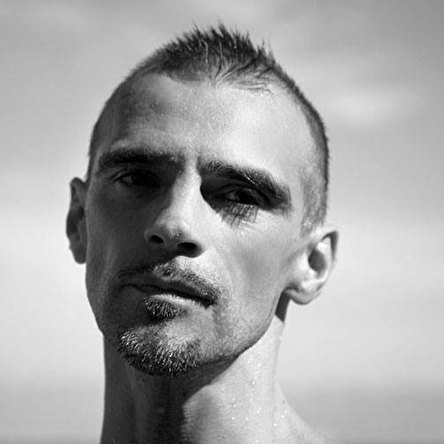
Evening practice: hand locks behind the back, twists, backbends and arm support at the end
An evening practice of 84 minutes at a medium pace: more stretching and spine work than strength, although arm supports appear in the last third. The main load falls on the shoulders and wrists (a series of hand locks behind the back), the hip joints, the lower back and the side lines of the torso; the abs and arms work in bakasana, mayurasana and the transitions. The teacher leads with short cues on the breath count and names an easier option where an element is hard: in mayurasana the legs and forehead may stay on the floor, and in the seated backbend you can place your hands behind you for support. There is a pause of about 6 minutes for rest in the middle of the class.
What to expect in this class:
- Setup and breathing (~0–13 min): Standing “cross” with soft, flowing arm movements while shifting the weight from heel to heel and figure-eight arm patterns; then a breathing warm-up: three sets of 50 kapalabhati cycles with a forward bend and uddiyana, nine free breaths, alternate-nostril breathing and sitali with the attention moved through the body
- Folds, bakasana and the side body (~14–29 min): On the floor and standing: a fold with the hands clasped behind the back, a squat with hand support (bakasana) and a “hill” shape, lifting legs and arms lying on the belly, then on the side — stretching the lower and upper side — a reclined support with the glutes engaged and hanging in a fold; the block ends with a seated fold over the extended legs with the toes pulled back
- Pause (~29–35 min): About 6 minutes of rest lying down without practice, then a gentle return to the class
- Hand locks, gomukhasana and twists (~35–62 min): A series of locks behind the back (wrists, fingers, switching sides) in different positions: shashakasana, agnistambhasana, gomukhasana with a diagonal lock, seated twists reaching for the foot and a backbend resting on the crown — the longest holds of the class, so choose your range according to how you feel
- Arm supports and balance (~62–72 min): Lying on the belly, twists with the legs bent, a wide-legged fold with the elbows under the knees and straightening of the legs (tittibhasana), kurmasana and garudasana with the arms raised; then a short rest on the back
- Last block and finish (~72–84 min): A kneeling backbend holding the heels, mayurasana with the easier option (legs and forehead on the floor), seated twists and baddha konasana; rest on the back and nine calm breaths with shambhavi mudra
Technique in this class: the class opens with the “Zero Crest” combination — two short etheric gymnastics techniques in a row, “Zero” and “KREST”: standing, with smooth arm movements at a slow, relaxed pace in rhythm with the breath. A detailed explanation of the technique and its common mistakes is in the catalog video course by Andrei Siderski: Techniques Zero, KREST, Ying style Yang Qigong (theory + practice).
Andrii Medvedev builds the class around smooth transitions from one asana to the next and a breathing rhythm: movements are linked to the inhale and exhale. Choose a range of motion and pace that feel comfortable.


The review has been accepted and will be published after moderation.