

 Ukrainian
 Russian


There are no reviews yet.
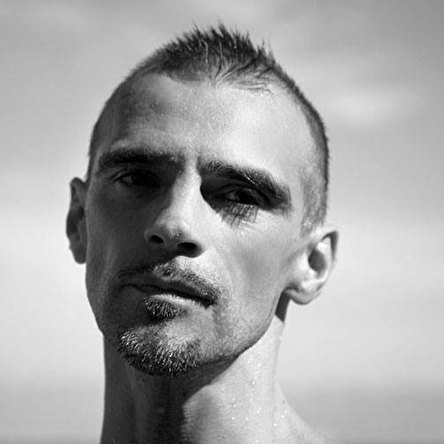
Back-muscle practice: backbends on the belly, all fours, standing folds and twists
A 75-minute practice at a medium pace that puts the main accent on the muscles along the spine: first backbends on the belly, then all fours and standing folds. The load is shared between the lower back and chest, the shoulder girdle, the hips and the back of the legs; the strength work (lifting the chest, mayurasana, attempts at arm support) is about equal to the stretching and twists. The teacher explains the technique in detail at the start of the backbends, then leads with short cues, and in several places there are pauses without speech for rest. For the hardest element there is a direct cue: try with full effort even if it does not work.
What to expect in this class:
- Setup and breathing (~0–12 min): Standing “cross” with the arms and stretches, three bends with mula bandha and drawing in the belly (uddiyana), seated kapalabhati for 108 cycles, sitali with moving attention and alternate-nostril breathing
- Backbends on the belly (~12–31 min): Rest lying down, then lifting the chest with the palms pulling the floor toward you, which switches on the muscles along the spine; looking back over the shoulder at the heel, balasana; a backbend holding the ankles, a downward “hill” and twists in virasana, the belly on the floor and arms back with palms up
- All fours and backbends (~31–45 min): After a short rest: “cow – cat”, a backbend with a raised leg and arm, knee to the ear, a transition into mayurasana with the elbows in the belly, then the camel; calm breaths lying down between the rounds
- Standing: backbend and fold (~45–61 min): Feet a mat apart, side bends with clasped hands, fists on the lower back and a backbend, then a forward fold with straight knees, fingertips touching the floor without leaning on them, hands clasped behind the back with a switch of fingers; about 8 minutes (~52–60) with almost no cues — holds and rest
- Seated: folds and twists (~61–70 min): A forward fold with the toes pointed and the forehead toward the legs, gentle twists with the heel by the knee without forcing with the hands, a twist catching the wrist behind the back, a leg on the shoulder with an attempt to lift on the hands — the hardest element of the class, so try it with support and without insisting on lifting off; janu sirsasana
- Finish (~70–75 min): Relaxation lying down for a few minutes, then sitting with the palms together and a calm end of the practice
Technique in this class: the class opens with the “Zero Crest” combination — two short etheric gymnastics techniques in a row, “Zero” and “KREST”: standing, with smooth arm movements at a slow, relaxed pace in rhythm with the breath. A detailed explanation of the technique and its common mistakes is in the catalog video course by Andrei Siderski: Techniques Zero, KREST, Ying style Yang Qigong (theory + practice).
Andrii Medvedev builds the class around smooth transitions from one asana to the next and a breathing rhythm: movements are linked to the inhale and exhale. Choose a range of motion and pace that feel comfortable.


The review has been accepted and will be published after moderation.