
 Ukrainian
 Russian


There are no reviews yet.
Evening practice with an arm-support focus: bakasana, chaturanga, mayurasana and a bridge
A 76-minute evening practice at a medium pace: noticeably more strength and arm support than in an ordinary stretching class, though folds and twists still take a good share. The main load falls on the shoulders, arms and core in bakasana, chaturanga and mayurasana, and then on the hip joints, the lower back and the abs. It begins with a standing “cross”, nine free breaths, kapalabhati (108 cycles) and alternate-nostril breathing; in the middle come two pauses of several minutes for rest, and at the end navasana and a bridge. An easier option is given for a seated fold: the upper leg can be placed on the thigh closer to the knee, which makes it easier.
What to expect in this class:
- Warm-up and breathing (~0–12 min): A standing “cross” with arm circles, then seated nine free breaths, kapalabhati for 108 cycles and alternate-nostril breathing
- Arm support and transitions (~12–27 min): A forward fold, bakasana, a move down into chaturanga (support on the palms, tailbone tucked, glutes engaged), a squat with the elbows and a lengthened lower back; one option has a leg raised with small push-ups; then seated with the legs interlaced, changing sides, and sitali
- Pause, backbends and twists (~27–47 min): About 7 minutes of silence for rest, then kneeling with the pelvis pushed forward into a backbend with the palms toward the heels, a diagonal hand clasp, an elbow-supported arch with the crown on the mat, a foot caught behind the back; a seated fold over one leg (with the easier option), mayurasana, a seated twist
- Hand clasps, folds and navasana (~47–62 min): Nine breaths and about 6 minutes of silence, then wrist and finger clasps behind the back with the fingers switched, folds and a seated “heels opposite the eyes” with the toes pulled toward you; navasana with the toes pointed away and relaxation
- Bridge and finish (~62–76 min): Virasana with the crown on the mat, seated twists, on the back raising the legs and taking support on the palms, a bridge on the knees with the palms by the ears — the hardest element, so choose your range as you feel; calm breathing at the end
Technique in this class: the class opens with the “Zero Crest” combination — two short etheric gymnastics techniques in a row, “Zero” and “KREST”: standing, with smooth arm movements at a slow, relaxed pace in rhythm with the breath. A detailed explanation of the technique and its common mistakes is in the catalog video course by Andrei Siderski: Techniques Zero, KREST, Ying style Yang Qigong (theory + practice).
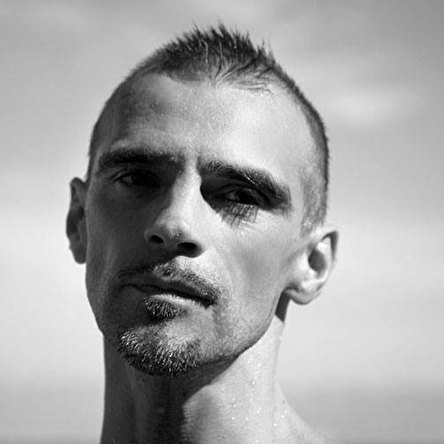
Andrii Medvedev builds the class around smooth transitions from one asana to the next and a breathing rhythm: movements are linked to the inhale and exhale. Choose a range of motion and pace that feel comfortable.


The review has been accepted and will be published after moderation.