Arm supports and two rest breaks: bakasana, hand locks and a shoulder stand
A 71-minute practice at a calm pace: more breathing, stretching and rest than strength, with the strength elements being arm supports at the start and a shoulder stand towards the end. The main load falls on the shoulders, wrists and abs (bakasana, plank, chaturanga), and in the seated poses on the hips, the back and the upper spine. Two long rest breaks on the back separate the blocks. The teacher leads with short “inhale – exhale” cues and hardly explains the technique, so the class suits those who already know the basic poses; there are almost no special easier options in the recording, so choose the depth of the backbends and the arm support as you feel.
What to expect in this class:
Warm-up and breathing (~0–8 min): Standing “cross”: arm swings and circles, stretches and forward bends; then kapalabhati with 50 pulses and a fold with uddiyana bandha on the exhale
Arm supports and seated breathing (~8–19 min): Forward bends with a change of arm position, bakasana, plank and chaturanga, a low version of bakasana; then seated nine free breaths, sitali, khechari and simha mudras and alternate-nostril breathing with counting
Rest and the seated block (~19–40 min): About 9 minutes of rest on the back; then padahastasana (the fold with the belly on the thighs), gomukhasana with an arm lock, twists holding the foot, a leg stretched towards you and a backbend supported on the crown of the head — all done on both sides
Second rest and hand locks (~40–58 min): About 9 more minutes of rest, then four locks of the wrists and fingers in a seat with the hands supporting behind and the chest lifted, a leg stretched towards you; this part also includes a deep standing fold and a one-leg balance, and the teacher says little and holds the poses on the count of the breath
Shoulder stand and finish (~58–71 min): Lying, raising the legs into a shoulder stand supported by the palms, a variation with one leg vertical, a backbend supported on the crown with the hands clasped behind the head, a seated twist and 12 free breaths at the end
Technique in this class: the class opens with the “Zero Crest” combination — two short etheric gymnastics techniques in a row, “Zero” and “KREST”: standing, with smooth arm movements at a slow, relaxed pace in rhythm with the breath. A detailed explanation of the technique and its common mistakes is in the catalog video course by Andrei Siderski: Techniques Zero, KREST, Ying style Yang Qigong (theory + practice).
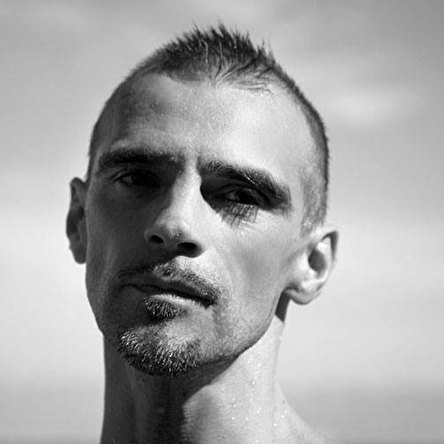
Andrii Medvedev builds the class around smooth transitions from one asana to the next and a breathing rhythm: movements are linked to the inhale and exhale. Choose a range of motion and pace that feel comfortable.

 Ukrainian
 Russian


 Full body
 Full body
 Stretching
The review has been accepted and will be published after moderation.