

 Ukrainian
 Russian


There are no reviews yet.
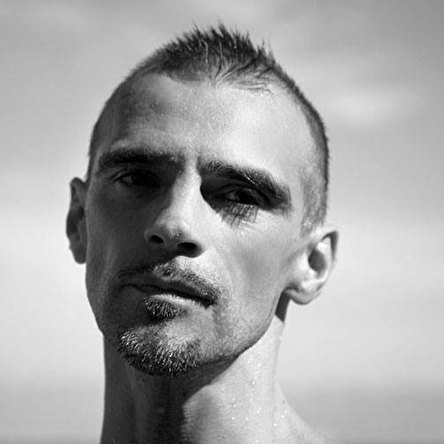
Practice with hand binds behind the back, deep folds, bridge and a meditative standing finish
A 71-minute practice at a calm rhythm with long holds: mostly stretching and mobility for the shoulders, spine and hip joints, with only short strength work. What sets this class apart are the series of hand binds behind the back (four ways of interlacing the fingers and wrists) in the folds, and a backbend on the back with support on the crown of the head; the load goes to the back of the legs, the lower back, the chest, the shoulders and the wrists. The teacher guides the breath and at the start leads the gaze and attention through the body, while at the end he asks for the breath to “dissolve” in the static holds. Harder elements such as tittibhasana, kurmasana and the backbend on the crown are done within your comfort; the pauses between blocks are for resting.
What to expect in this class:
- Setup and breathing (~0–10 min): Standing “cross” with the arms at shoulder width while the gaze moves through the body (crown, head, chest), stretches and forward bends, then seated nine free breaths with alternate nostrils
- First round on the floor (~10–28 min): A stretch on the back with the lower back pressed down, knees pulled to the belly, virasana, the plough (halasana), janu shirshasana and a fold over the leg with the shoulder pressing against it. Then four hand binds behind the back in the folds and a bridge on the back
- Pause and second round (~28–54 min): About 10 minutes of resting on the back, then pavanamuktasana with rolling, folds with the legs wide apart and four hand binds, followed by a backbend holding the ankles with support on the crown (the hardest element of the block) and folds that open the hips
- Meditative part (~58–67 min): Standing and sitting in static holds while the breath “dissolves” and becomes almost imperceptible: twists, pashini mudra (you can stay in the simplified position), tittibhasana, kurmasana and a bridge with the plough on the way out
- Finish (~67–71 min): Bariandasana, rising into a standing forward fold (uttanasana), nine breaths sitting, relaxation on the back and a quiet ending
Technique in this class: the class opens with the “Zero Crest” combination — two short etheric gymnastics techniques in a row, “Zero” and “KREST”: standing, with smooth arm movements at a slow, relaxed pace in rhythm with the breath. A detailed explanation of the technique and its common mistakes is in the catalog video course by Andrei Siderski: Techniques Zero, KREST, Ying style Yang Qigong (theory + practice).
Andrii Medvedev builds the class around smooth transitions from one asana to the next and a breathing rhythm: movements are linked to the inhale and exhale. Choose a range of motion and pace that feel comfortable.


The review has been accepted and will be published after moderation.