
 Ukrainian
 Russian
There are no reviews yet.
Breathing and three strength blocks: crow, mayurasana, plough, binds No.74


Buy subscription from $13
Breathing rounds and three strength blocks: bakasana, mayurasana, plough, hand binds behind the back and twists
A 77-minute practice at a medium pace, led on the count of the breath: strength work and stretching in roughly equal parts, with a noticeable breathing section at the start. It opens with lying attention on the breath, then three rounds of kapalabhati at 50 pulses with breath holds and bandhas and a standing arm-flow, followed by three blocks with a rest on the back between them. The main load falls on the shoulder girdle, arms, abs and back (bakasana, incline and side support, mayurasana, purnanavasana), on the shoulders and chest (hand binds behind the back), and on the hip joints and the back of the legs in the folds and twists. The teacher leads with short “inhale – exhale” cues and explains the technique along the way; easier options are given for the hard elements: in the support you can drop onto the forearms, and in mayurasana you may lift nothing off the floor.
What to expect in this class:
- Breathing and arm flow (~0–16 min): Lying attention on the breath, then seated kapalabhati at 50 pulses in three rounds with holds after the exhale and the inhale, sitali and mudras; standing, smooth circles and “figure eights” with the arms, with turns and small bends and relaxed shoulders, and alternate-nostril breathing at the end
- First block: arm supports (~16–31 min): Uttanasana, bakasana, downward dog, an incline support with the tailbone tucked and the glutes engaged (you may stay on the forearms), a side support, the “hill” and lying on the belly; the cycle is repeated to each side, followed by about 3 minutes of rest on the back
- Second block: abs, shoulders, plough (~32–50 min): Seated with the legs pulled toward you (holding the heels if you can reach), the “iron bridge” with straight legs, lying with the legs up and holding the big toes with the sacrum pressed to the floor, purnanavasana, halasana and a roll up to sitting; then a kneeling backbend and hand binds behind the back in a fold, from simple to harder; the block ends with a rest on the back
- Folds and one-leg balance (~50–61 min): A deep fold from a squat with the belly on the thighs (the teacher reminds you to keep the belly on the thighs to protect the lower back), lunges with hand support, a side-body stretch, catching the foot behind the back by the big toe and a one-leg balance standing; then a short rest on the back
- Last block: mayurasana and twists (~61–72 min): A small backbend supported on the palms and heels with the gaze up, mayurasana (you may lift nothing off the floor if you prefer), seated twists, lying on the belly with the knees opened, baddha konasana and kurmasana
- Finish (~72–77 min): About 4 minutes of relaxation on the back, then nine free breaths sitting
Technique in this class: around minute 9 you do the “Zero Crest” combination — two short etheric gymnastics techniques in a row, “Zero” and “KREST”: standing, with smooth arm movements at a slow, relaxed pace in rhythm with the breath. A detailed explanation of the technique and its common mistakes is in the catalog video course by Andrei Siderski: Techniques Zero, KREST, Ying style Yang Qigong (theory + practice).
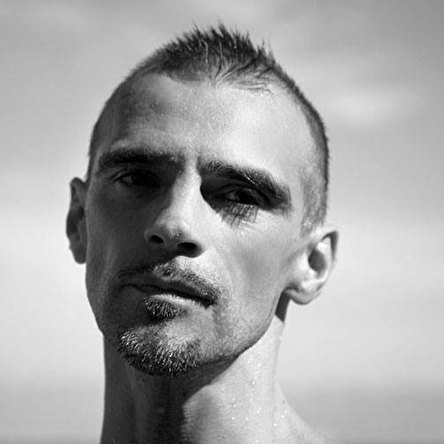
Andrii Medvedev builds the class around smooth transitions from one asana to the next and a breathing rhythm: movements are linked to the inhale and exhale. Choose a range of motion and pace that feel comfortable.


The review has been accepted and will be published after moderation.