


 Ukrainian
 Russian
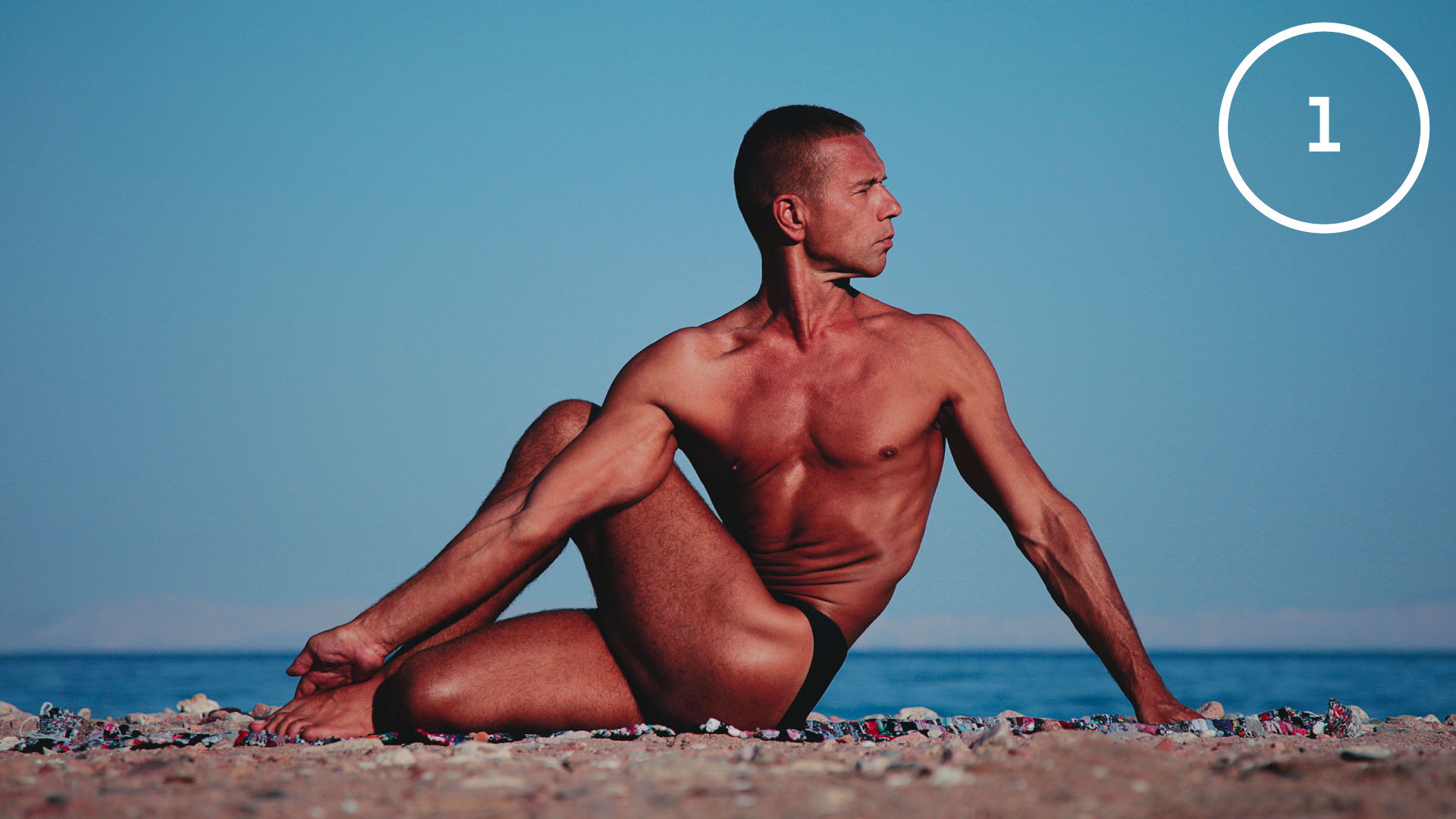

Аааааааааааааа, другий цикл!!!!! Це просто бальзам для душі, тіла і мозку. Тебе огоргає чимось м'яким і теплим, а ти просто пливеш... Щиро дякую. Неймовірні відчуття, обмаль слов, щоб описати всі враження.
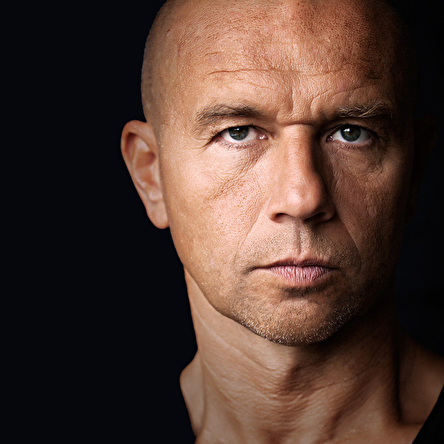
Practice with kapalabhati, forward bends, lotus and nadi shodhana
A 71-minute practice at a calm, even pace: short cues and counts to the breath, almost no explanation. Stretching, forward bends and breathing outweigh strength: about two fifths of the time goes to breathing techniques and mudras, the rest to forward bends, lotus and twists. It works the backs of the legs, hips, knees, ankles, spine, neck and shoulders; the strength element is the jump from a prone support to a squat.
What to expect in this class:
- Kapalabhati, Magic Pass and mudras (0–10 min): Two rounds of 108 kapalabhati with three breaths between them, then a hands-along-the-body sweep (Magic Pass) and a condensing of attention along the central axis. Jnana mudra with eye circles, 12 in each direction, inhaling through the tongue with a hold, swallowing air, stretching the neck, simha mudra and uddiyana.
- Seated bends, plough and backbend (10–27 min): Half lotus with a bend and a clasp behind the foot, a bend with hands clasped behind the back, a plough with a roll-over, a prone backbend holding the feet, a jump from a prone support to a squat. Then seated one leg back, one forward with a catch, legs crossed over the thigh with a clasp, a second plough and a bridge on the crown. The hardest are the crown bridge and the jump; replace them with a calm transition and a bridge on the feet.
- Butterfly, lotus and twists (27–52 min): Butterfly with bends, a wide-leg bend holding the ankles, lotus with yoga mudra, sliding forward onto the belly and a bend; a twist catching the upper leg in lotus on both sides and a long Ugrasana (extended paschimottanasana). Lotus can be replaced with half lotus or any comfortable seat.
- Nadi shodhana and mudras (52–71 min): About 13 minutes of nadi shodhana with alternating nostrils, the gaze following the direction of the breath; then dhyana mudra and sampurna mudra in stillness until the end of the practice.
This practice is designed for experienced practitioners: demanding elements can be simplified or replaced with easier variations, and you can come out of inversions and holds earlier.
l********[email protected]
v******[email protected]
Благодарю. Первый раз занималась с Вами. Пришло время)


The review has been accepted and will be published after moderation.