Demanding practice: standing balances, arm supports, ring breathing and a deep bridge backbend
An 80-minute practice at a medium pace with a dense programme: one-leg balances, arm supports and a deep backbend are combined with breathing techniques, so the strength and balance load is higher than in the calmer classes of the series. The main load falls on the shoulder girdle, arms and abs (bakasana, chaturanga), the lower back and the hip joints, and in the bridge supported on the crown of the head the neck and chest work as well. The teacher leads with short cues, explains the breathing techniques and transitions in more detail, and in two places there are long stretches without speech for rest and holds. The practice starts with 300 cycles of kapalabhati.
What to expect in this class:
Cross, kapalabhati and standing poses (~0–13 min): Standing “cross” with the arms, then seated kapalabhati for 300 cycles and nine free breaths; standing virabhadrasana, ardha chandrasana (half-moon) with a raised leg and uttanasana on both sides, then an exercise lying on the belly
Quiet time lying and breathing techniques (~13–24 min): About seven minutes (~13–20) with almost no cues — holds and rest on the floor, then drawing in the belly (uddiyana), sitali with moving attention (back of the head, belly, chest) and nine breaths
Folds, hand clasps and the tree (~24–34 min): Standing with the feet together: hands on the lower back and a backbend, squeezing the shoulder blades, a forward fold with the toes lifted, hands clasped behind the back with a switch of fingers; vrikshasana and a side bend with a raised arm on both sides
Alternate nostrils and arm supports (~34–52 min): About 10 minutes of alternate-nostril breathing, then a squat, “hanging” on the hands in a low bakasana and a transition into chaturanga dandasana, raising a leg in the support, a backbend on the belly holding the ankles and a repeat — the most demanding strength elements of the class, so choose your support as you feel
Pause and ring breathing (~52–61 min): About six minutes (~52–58) without cues — a rest pause sitting and lying, then the breathing “ring”: the attention travels up and down the spine, breaking the tongue lock, with several rounds in both directions
Bridge, backbend and finish (~61–80 min): On the back: raising straight legs toward you without lifting the pelvis, rolling through the plough and coming onto the palms, a bridge with one leg vertical, a deep backbend holding the ankles and resting on the crown of the head; then seated twists with the arm and leg, baddha konasana with a fold, kurmasana and a calm finish sitting
Technique in this class: the class opens with the “Zero Crest” combination — two short etheric gymnastics techniques in a row, “Zero” and “KREST”: standing, with smooth arm movements at a slow, relaxed pace in rhythm with the breath. A detailed explanation of the technique and its common mistakes is in the catalog video course by Andrei Siderski: Techniques Zero, KREST, Ying style Yang Qigong (theory + practice).
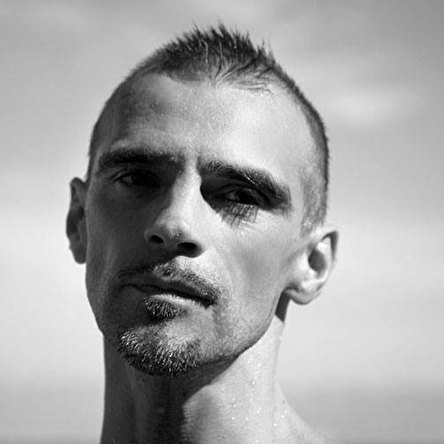
Andrii Medvedev builds the class around smooth transitions from one asana to the next and a breathing rhythm: movements are linked to the inhale and exhale. Choose a range of motion and pace that feel comfortable.

 Ukrainian
 Russian


 Full body
 Stretching
 Stretching
The review has been accepted and will be published after moderation.