


 Ukrainian
 Russian


There are no reviews yet.
Practice with 300 rounds of kapalabhati: side work, standing balances, seated twists and a mindful finish
A 76-minute practice at a calm pace with short breath cues and one long rest in the middle: more stretching and work for the spine and hips than strength, but with a noticeable balance block. The main load falls on the hip joints and the back of the legs (padahastasana, seated folds and twists), the sides of the torso, the shoulders and neck, and the abdominal and back muscles in the lifts on the belly and on the back. The practice begins lying down with observing the breath and 300 rounds of kapalabhati. In the seated twists the teacher names an easier option: the heel can be drawn in on the inside, which is simpler than on the outside.
What to expect in this class:
- Breathing and padahastasana (~0–12 min): Observing the breath lying down, then seated 300 rounds of kapalabhati, padahastasana with the hands under the feet, a twist from a wide stance, a side stretch and a stance with the forearms under the knees
- Lying and breathing (~12–19 min): One-leg lifts on the back with the toes pointed, then sitting with a rounded back, nine free breaths and alternate-nostril breathing with several repetitions
- Belly, side and bridge (~19–29 min): On the belly lifting the legs and arms, on the side lifting legs and arms with a stretch of the lower side on both sides, bakasana, then a bridge on the fists and lifting one leg at a time on the back
- Pause and standing balances (~29–45 min): A long rest of about six minutes, then standing folds, a one-leg balance with the foot drawn in, a side stretch and hip work on both sides
- Halasana, twists and finish (~45–76 min): Halasana with the legs lifted, elements for the shoulders and neck, seated twists with the heel drawn in on both sides, a bridge with the palms by the ears, virasana with a fold, then gathering the attention in front of the brow, shavasana and a calm finish
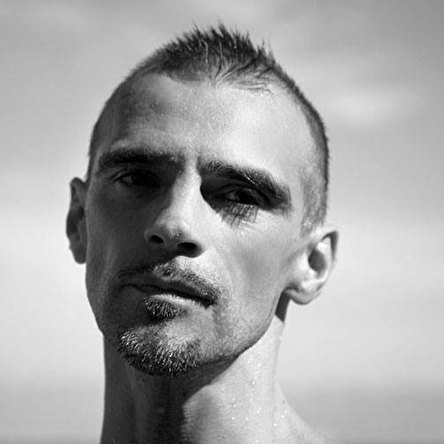
Andrii Medvedev builds the class around smooth transitions from one asana to the next and a breathing rhythm: movements are linked to the inhale and exhale. Choose a range of motion and pace that feel comfortable.


The review has been accepted and will be published after moderation.