
 Ukrainian
 Russian


There are no reviews yet.
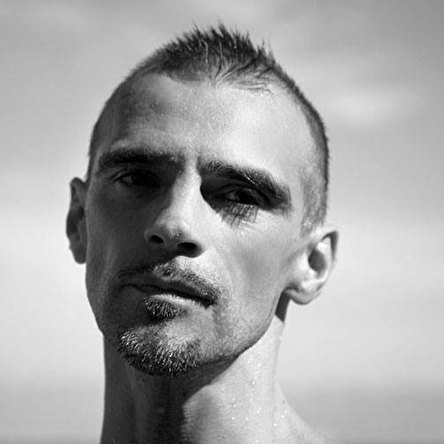
Practice with kapalabhati and uddiyana, static leg holds and long resting pauses
A 73-minute practice at a slow, measured pace: a mix of breathing techniques, stretching and static holds with very little strength work. At the start the teacher leads kapalabhati (fifty cycles) and several rounds of uddiyana bandha in a forward bend, followed by seated nine breaths with alternate nostrils and sitali. The main load goes to the back of the legs, the lower back, the hip joints, the shoulder girdle, a backbend on the back and a bridge; the second round adds static holds with a raised leg on each side and four hand binds behind the back. Three long resting pauses (roughly 7 to 10 minutes each) keep the class quiet and let the load settle; there are few explanations, mostly short cues on the breath.
What to expect in this class:
- Breathing warm-up (~0–11 min): Standing kapalabhati (fifty cycles) and several rounds of uddiyana bandha in a forward bend, then seated nine breaths with alternate nostrils and sitali
- First round and pause (~11–31 min): After about 7 minutes of resting: a stretch on the back, knees pulled to the belly, virasana, folds and twists on the floor, a backbend supported on the head and a bridge, the plough (halasana) and a standing fold, uttanasana
- Second round (~31–57 min): About 9 minutes of pause on the back, then a repeat of the exercises, a fold with the heels drawn in and four hand binds behind the back, a backbend with fists on the lower back and static leg holds on each side (knee above the torso, chin to the belly) — the longest and most demanding part of the class
- Closing block (~64–71 min): After the third pause: sarangasana and lowering onto the back, virasana with the hands clasped and the shoulders lowered, twists, a fold with the hands bound behind the back and the legs wide apart — choose your range as you feel
- Finish (~71–73 min): A few calm breaths sitting, one deep inhale and exhale, and the end of the practice
Technique in this class: the class opens with the “Zero Crest” combination — two short etheric gymnastics techniques in a row, “Zero” and “KREST”: standing, with smooth arm movements at a slow, relaxed pace in rhythm with the breath. A detailed explanation of the technique and its common mistakes is in the catalog video course by Andrei Siderski: Techniques Zero, KREST, Ying style Yang Qigong (theory + practice).
Andrii Medvedev builds the class around smooth transitions from one asana to the next and a breathing rhythm: movements are linked to the inhale and exhale. Choose a range of motion and pace that feel comfortable.


The review has been accepted and will be published after moderation.