A routine for the obliques, core, hips and spine with a metronome breathing finish
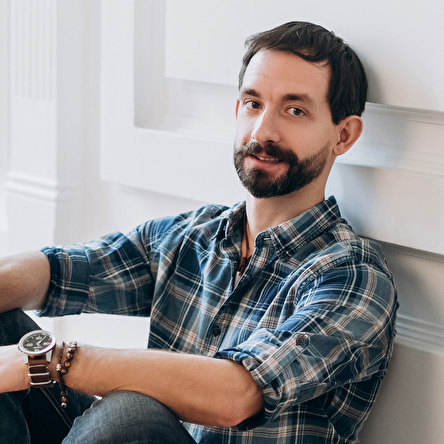
A 78-minute practice with Pavel Makarin at a calm pace with detailed explanations: about two thirds of the time is body work and the last 15 minutes or so are breathing. The load is split between strength series for the side muscles and core, stretching of the hips, sides and back of the legs, twists and backbends; it ends with square breathing to a metronome and Shavasana. You only need a mat (and a metronome or phone for counting in the last part).
What to expect in this sequence:
0–17 minutes: on the back, on the side and forearm planks: The practice starts lying down with the palms under the pelvis: lengthening, a chest lift with the thumbs pressing into the back muscles, then gentle rolls onto the lower back and sacrum with the legs interlaced (if the vertebrae stick out, stay in the comfortable phase). Next, side-lying: holding the legs up and 24 lifts and lowers for the obliques and intercostals, followed by a side-body stretch. Then a forearm plank: 20 cycles of alternately drawing the knee towards the forehead and a spinal wave. The block is repeated on the other side.
17–40 minutes: prone backbend, wide folds, twists, Gomukhasana: Lying on the belly, the chest and arms lift off the floor, then Adho Mukha Svanasana. Next, Prasarita Padottanasana: head turns, rolling on the feet, folds towards each leg with a side stretch, twists in the wide stance (three rounds per side) and deep side bends with the shoulder resting against the knee. Then the crossed-legs Gomukhasana position: wrist locks behind the back, shoulder movements and head turns, rounding the back with the elbows to the belly, on both sides.
40–58 minutes: standing poses, Matsyendrasana, Ushtrasana and core work: Adho Mukha Svanasana, a wide-step Virabhadrasana, Ardha Chandrasana with the hand on the thigh and a rotation, the leg held parallel to the floor with foot movements, then Matsyendrasana, a seated forward fold and a seated backbend on the palms, on both sides (about 12 minutes). Then Kapalabhati in Adho Mukha Svanasana, a tension release with the palms pressing under the ribs (24 repetitions), a hands-supported lift with the weight shifting from leg to leg (8 cycles) and Ushtrasana: symmetric, asymmetric and with a rocking motion down and up; as a counter-move, a rounded back in child's pose.
58–78 minutes: square breathing, closing poses and Shavasana: About 3 minutes of explanation and square breathing to a metronome: a 4-4-4-4 count (60 beats per minute), which can be shortened to 3 or extended to 6-8. Bakasana, Adho Mukha Svanasana, a prone backbend, Uttanasana, Paschimottanasana and Halasana are done to the count, one breath cycle with holds in each. The practice ends in Shavasana: an 8-beat inhale with the exhale gradually lengthening from 14 to 32 beats, then free breathing. The hardest elements are Bakasana, deep Ushtrasana with rocking, Halasana and the long breath pauses; take a simpler variation or shorten the count instead.
The practice suits those who already know the basic asanas and want to work the core, side muscles, hips and spine and then work with the breath calmly: choose the variation and count length at which your breathing stays comfortable.
Полноценная практика: от выравнивания позвоночника до глубокой работы с диафрагмой и дыханием. Эффективная последовательность упражнений для тонуса мышц и освобождения тела от зажимов.

 Ukrainian
 russian


 View files



 Download for the PC
 Download for the phone

 Course
 A series of sequencesNew
 A series of sequencesNew
 A series of sequences
The review has been accepted and will be published after moderation.