
 Ukrainian
 Russian


There are no reviews yet.
Practice with standing balances: virabhadrasana, half moon and natarajasana, then bridges and backbends
An 81-minute practice at a medium pace in which standing balances and backbends take more time than stretching. The main load falls on the legs and the pelvic stabilisers (one-leg stances), the glutes, the lower abs, the upper back and the shoulders (hand locks behind the back, bridges); the lower back and hip joints work in the folds and seated twists. The teacher opens with a breathing block and then leads each balance on both sides on the breath count and suggests support: in the stances you can hold the leg by the ankle, and in the bridge you can start by raising one leg at a time. There are about 6 minutes of rest lying down in the middle of the practice.
What to expect in this class:
- Breathing and attention (~0–7 min): Sitting, gathering the attention in front of the space between the brows, nine free breaths, 108 cycles of kapalabhati, alternate-nostril breathing and sitali with a retention and a moving gaze (back of the head, belly, brow centre, heart area)
- Cross and transition to the stances (~7–18 min): Standing “cross” with flowing arm movements and figure-eights, then breathing into the belly, head and chest; smooth transitions between sitting and standing before the main part
- Standing balances (~18–27 min): Standing with the feet together, a half backbend with the hands clasped behind and a fold, the leg lifted while holding the ankle, virabhadrasana with a horizontal torso, ardha chandrasana and an outward twist; uttanasana and a repeat on the other side
- Rest and bridges (~27–47 min): About 6 minutes of rest lying down, then a bridge with alternate leg lifts, the “iron bridge” on the fists, lifting both legs lying down with the back of the head on the floor, shashakasana, a backbend resting on the crown and opening the feet to the sides
- Hand locks, backbend and natarajasana (~47–60 min): Standing, three locks behind the back (wrists, fingers with a switch), a rounded back down and a slow rise into a backbend through the upper back, a fold with the forearms clasped and natarajasana on both sides
- Backbends and hips (~60–81 min): Sitting between the heels, a backbend resting on the elbows and the crown, halasana, a twist with a vertical shin, a bridge from the floor with the palms by the ears, then floor exercises to open the hips, upavishtha konasana and seated folds over the extended leg
Technique in this class: around minute 7 you do the “Zero Crest” combination — two short etheric gymnastics techniques in a row, “Zero” and “KREST”: standing, with smooth arm movements at a slow, relaxed pace in rhythm with the breath. A detailed explanation of the technique and its common mistakes is in the catalog video course by Andrei Siderski: Techniques Zero, KREST, Ying style Yang Qigong (theory + practice).
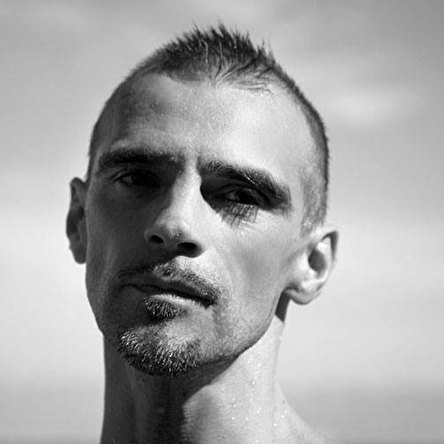
Andrii Medvedev builds the class around smooth transitions from one asana to the next and a breathing rhythm: movements are linked to the inhale and exhale. Choose a range of motion and pace that feel comfortable.


The review has been accepted and will be published after moderation.